Professional Plaster Services: Achieve a Smooth Finish for Your Interiors
Plastering solutions are vital in enhancing the visual charm of interiors. By changing uneven walls into refined finishes, these services not only boost visual quality but also handle structural concerns. Various strategies exist, each fitting for different demands and preferences. Comprehending these options can be important for homeowners. What factors should one consider when choosing the right plastering method? The answer may be unexpected.
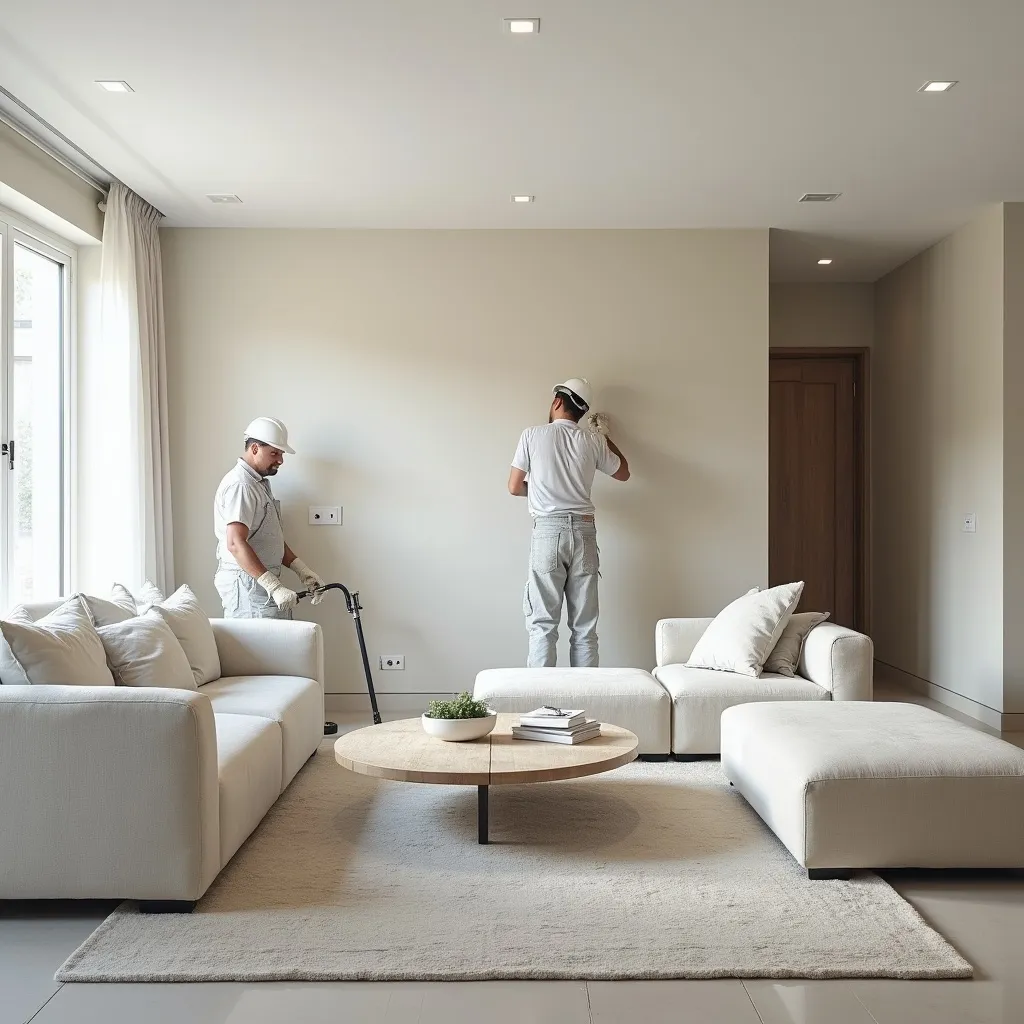
The Notable Positives of Accomplished Plastering
Expert plastering services delivers numerous advantages that improve the quality of indoor spaces. This specialized service enhances the visual appeal of walls and ceilings, offering a smooth and uniform finish that is striking in appearance. Furthermore, expert plastering supports enhanced durability, protecting walls from damage and deterioration over time. The application of high-quality plaster can also support better thermal regulation, regulating temperature and possibly lowering utility bills.
Moreover, skilled plastering experts possess the skills and expertise required to recognize and resolve underlying issues, such as water damage or structural defects, before they escalate. This preventative strategy not only guarantees a perfect result but also prolongs the longevity of the work. Furthermore, the use of cutting-edge products and methods assures a high-quality outcome, making spaces more inviting and comfortable. Ultimately, investing in professional plastering services establishes the basis for beautifully finished interiors that withstand the test of time.
Standard Plastering Techniques and Their Purposes
Various plastering techniques cater to different aesthetic and functional needs in interior spaces. One frequent technique is traditional plastering, which consists of applying a base coat followed by a finish coat, creating a uniform finish ideal for painted finishes. Another method is plaster skimming, where a fine coat of plaster is spread over existing walls to revamp their look without extensive extensive work.
Textured plaster application provides aesthetic appeal and can hide flaws; techniques such as knockdown or stucco finish create unique surfaces appropriate for various interior styles. Venetian plaster, a premium option, offers a elegant, refined appearance through several applications and special application techniques, often improving the atmosphere of upscale spaces.
In conclusion, drywall plastering is frequently applied for new builds, providing an efficient way to finish walls and ceilings. Each method serves separate purposes, allowing homeowners and designers to realize desired appearance while preserving durability.
How to Decide on the Best Plaster Technique for Your Space
Determining the best plastering technique necessitates a careful assessment of the condition of the walls and the specific functionality of the room. Recognizing these elements helps determining the most suitable materials to use. By taking into account both the surroundings and practical needs, one can make an informed choice that improves the space.
Examine Your Wall Situation
What is the best way to decide on the most suitable plastering technique for a given area? Assessing the wall condition is crucial in this decision-making process. The first step includes examining cracks, dampness, or uneven surfaces, which can affect the plastering method selected. For example, walls with noticeable flaws may need repairs before plastering, whereas smoother surfaces may benefit from a straightforward skim coat. Furthermore, recognizing the type of wall material, like drywall or masonry, is key in picking the appropriate plaster. A detailed evaluation ensures the technique chosen not only enhances visual appeal but also provides lasting durability. In the end, comprehending the wall's condition assists in making informed decisions that achieve a flawless finish.
Think About Room Purpose
When evaluating the best plaster application method for a space, understanding the room's functionality is essential. Varying areas of a home fulfill unique purposes, which can affect the plaster method. For instance, busy rooms like hallways may benefit from more resilient finishes that resist wear, while bedrooms might prioritize aesthetics and smooth textures for added comfort.
Additionally, moisture-prone areas such as bathrooms demand expert methods to avoid mold and damage. In contrast, living rooms could emphasize decorative plaster finishes to enhance visual appeal. By aligning the plastering technique with the particular purpose of each room, one can achieve not only a flawless finish but also ensure durability and performance suited for the environment's needs.
Decide on Appropriate Supplies
What materials are best designed for plaster application in a designated space? The selection of plaster materials greatly determines the finish and durability of the area. Traditional lime plaster is excellent for older buildings, providing flexibility and breathability, which prevents moisture buildup. Gypsum plaster, known for its rapid drying, is suitable for modern interiors and provides a smooth finish. For humid areas, such as bathrooms, waterproof plaster is recommended to prevent mold growth. Additionally, taking into account the underlying surface is crucial; plaster should bond properly to materials like brick or concrete. Ultimately, selecting the appropriate plastering material enhances both visual appeal and functionality, guaranteeing the interior spaces remain beautiful and durable over time.
Main Signals That You Need Skilled Plastering
When evaluating the requirement for professional plaster work, multiple key indicators can signal hidden issues. Cracks and holes, irregular surface areas, and evidence of moisture damage are critical elements to take into account. Addressing these problems quickly can prevent additional decline and guarantee a expert tips smooth, aesthetically appealing inside.
Fractures And Holes Apparent
Cracks and holes significantly deteriorate both the visual quality and building integrity of interior environments. These deficiencies do not just reduce the visual appeal but may also show deeper wall issues. Even small cracks can appear trivial, yet they worsen over time, leading to additional damage. Holes, whether from nails or other objects, cause vulnerabilities that affect insulation and energy efficiency. Homeowners should not neglect these warning signs; fixing them promptly with professional plastering services guarantees a flawless finish and avoids more extensive future repairs. Disregarding cracks and holes can cause higher maintenance expenses and a less attractive environment, underlining the necessity of timely intervention to preserve the beauty and durability of interior spaces.
Uneven Wall Areas
Uneven wall surfaces can greatly lessen the aesthetic appeal of a home, indicating the need for specialized plastering. Homeowners often observe discrepancies in wall texture, with certain areas appearing rough or raised. These defects may be due to incorrect setup, building movement, or wear over time. An uneven surface not only affects the overall look but can also obstruct the application of paint or wallpaper, resulting in an unwanted result. Also, light can cast shadows on uneven walls, more highlighting flaws. Engaging qualified plasterers ensures that these surfaces are smoothed out, offering a consistent base for additional layers. A smooth wall adds greatly to a home’s ambiance and value, making timely intervention essential.
Water Damage Marks
Water damage can manifest in multiple forms, often suggesting the immediate need for expert plastering services. Homeowners should be vigilant for specific indicators. Stains or color changes on walls and ceilings are main signs, often showing up as yellow or brown patches. Peeling or bubbling paint also suggests hidden moisture issues, as does the presence of mold or mildew, which can harm indoor air quality. Additionally, if walls feel damp to the touch or emit a musty odor, it may indicate hidden water damage. Cracks or flaking plaster can further reveal structural concerns caused by moisture infiltration. Addressing these signs promptly with professional plastering services is crucial for maintaining a secure and attractive living environment.
What Amount Should You Anticipate for Plaster Installation?
What sum might you anticipate to spend in plastering services for indoor areas? The cost of plastering varies considerably based on multiple considerations, such as the size of the area, the type of plaster used, and the complexity of the project. On average, homeowners can expect spending from $1.50 to $3.50 per square foot for standard plastering work. For more specialized surfaces, like Venetian plaster, expenses may rise to $6 or more per square foot.
Additional expenses may emerge from preliminary tasks, such as fixing existing walls or ceilings. Labor costs also play an essential role, with skilled plasterers demanding hourly rates that can range from $25 to $75. Ultimately, securing multiple quotes from licensed professionals can offer a clearer picture of the expected investment, ensuring homeowners make informed decisions while budgeting for their plastering projects.
Maintenance Tips for Your Newly Plastered Interiors
After purchasing plastering solutions for internal spaces, maintaining the newly finished surfaces becomes crucial for longevity and look. Regular dusting with a soft, dry cloth helps prevent dirt accumulation. It's advisable to avoid abrasive cleaners that can damage the surface. Instead, mild soap mixed with water can be used for occasional cleaning.
Humidity control is paramount; excessive moisture can lead to mold issues or deterioration. Using a dehumidifier in humid zones can lessen this risk. To prevent scratches and dents, use furniture pads under weighty objects.
Examine the plaster on a regular basis for cracks or chips, addressing any issues promptly to prevent additional damage. Finally, using an appropriate sealant can enhance durability and ease of cleaning, ensuring the plaster maintains its visual beauty as time passes. Sticking to these maintenance suggestions will help keep the beauty and integrity of newly plastered interiors.
Often Requested Answers and Questions
What Period Can You Expect When Plastering a Surface?
Plastering commonly takes 1-3 days to accomplish, based on the dimensions and the complexity of the project. Drying time can extend the total timeline, necessitating additional days for superior results.
Can I coat Plaster Over existing Wallpaper or Paint?
Covering current wall layers with plaster is often not advised. The surfaces may restrict adequate sticking, leading to cracks or peeling. For greatest success, clearing wall coverings before plastering is prudent.
Which Plaster Compounds Kinds Are Accessible?
There are multiple plastering options available, such as gypsum plaster, lime plaster, cement plaster, and acrylic plaster. Each option presents distinct features, ideal for diverse purposes, settings, and preferred appearances, addressing different construction and aesthetic specifications.
Is Plastering Fitting for Outdoor Applications?
External uses can benefit from plastering, especially when applying specialized outdoor plaster products that combat moisture and temperature fluctuations. These products improve longevity while providing a attractive and protective treatment for multiple exterior areas.
How Do I Prepare My Room for Plastering?
To ready a room for plastering, one should take out furniture, cover floors with drop cloths, wash walls, fix any damage, and guarantee proper ventilation. Sufficient preparation ensures a smoother application and better final results.